
10.20.2026


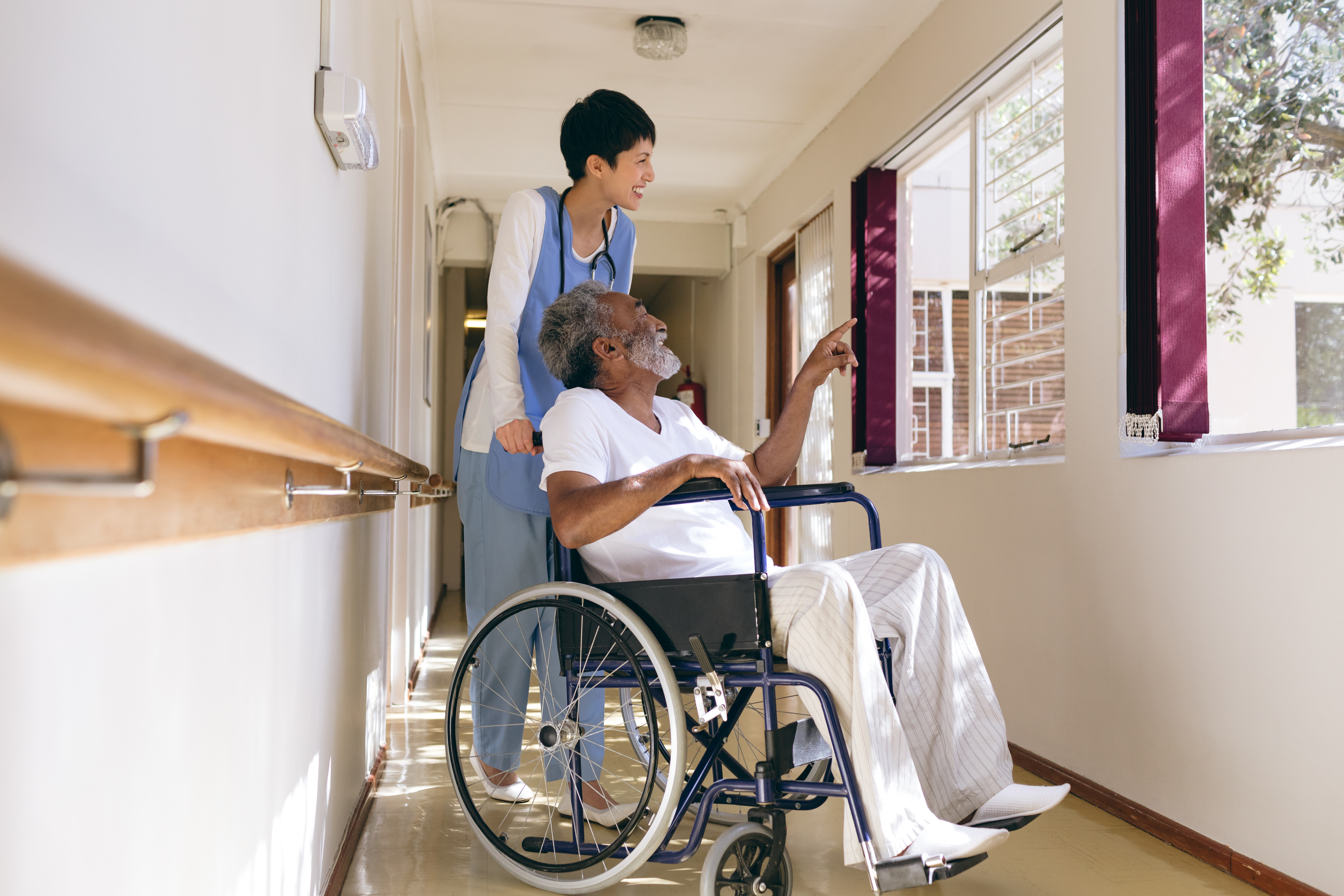
Assisted living facilities combine features of multi-family residential buildings and medical facilities, and they have to address many of the same security threats that those types of properties face. They also have to mitigate risks unique to the population they serve, all while ensuring the building remains welcoming and accessible.
Choosing the right physical security solutions for assisted living facilities requires balancing safety and security with functionality and aesthetics. In order to do so, it’s important to first understand the specific risks these types of properties face day-to-day.
The Security Risks Assisted Living Facilities Share With Other Properties
Just like multi-family residential properties and healthcare facilities, assisted living communities face the threat of forced entry and burglary.
Assisted living facilities house a range of items that are appealing to thieves:
- Medical equipment and devices
- Controlled substances and prescription medication
- Personal belongings and valuables owned by residents
- Cash and electronics in office areas
Doors and windows remain the most common points of entry for anyone attempting to break in. Standard windows and door glass offer almost no resistance once someone decides to force their way through. A break-in can happen in seconds, and a locked door or window does little to slow an intruder down or discourage the attempt in the first place if the glass is unprotected.
In facilities located in storm-prone regions, severe weather creates another type of risk entirely. Wind-driven debris and window failure during a hurricane or major storm put residents at risk in a way that has nothing to do with an intentional act and everything to do with the building's ability to hold up under pressure from mother nature.
Risks That Are Specific to Assisted Living Environments
Beyond the forced entry and storm damage concerns, assisted living facilities carry risks tied directly to the residents they house. Wandering and unauthorized egress tend to be the most serious of these risks.
Residents living with dementia or other cognitive conditions can attempt to leave the building unsupervised, sometimes through windows or doors that aren't part of a monitored exit path. In extreme cases, residents may even attempt to break a window to egress.
Fixed Security Screens: The Right Fit for Resident-Facing Areas
Rolling security shutters are built around an open-during-the-day, closed-after-hours model. That works perfectly for a storefront, but it doesn't fit an open, accessible facility that's occupied and staffed around the clock as well.
Stainless-steel security screens make more sense than shutters for the areas residents actually live in. They're installed once and stay in place, resisting forced entry and blunt impacts without completely blocking natural light and views. This matters in a building where visibility supports resident wellbeing.
Security screens also allow windows to be opened for air circulation while keeping the opening itself secure.
Applied to the right locations, fixed security screens address risks in a way that’s appropriate for a resident-facing setting:
- Common area and hallway windows: Resist impacts without the institutional look of bars or grilles (look similar to standard dust and bug screens).
- Windows along wandering-prone paths: Make unsupervised egress significantly harder without requiring staff to close anything.
- Resident room windows on ground floors: Add forced-entry resistance in the units most exposed to exterior access.
Where Solid Shutters Still Have a Role
For assisted living facilities in hurricane-prone regions, compact hurricane shutters have a role to play as well; not as a daily security measure but as event-based protection.
Deployed only ahead of severe weather, hurricane shutters protect windows and doors from wind-driven debris that can cause a window to fail during a major storm, potentially sending shattered glass flying dangerously inwards towards residents.
Because they're only in place during an actual weather event, storm shutters don't create the same visibility or aesthetic tradeoffs that a daily-use security shutter would in a common area or residential area.
Solid rolling shutters do still have a place in security systems for assisted living facilities, but a narrower one than in most commercial settings.
Rolling security shutters make the most sense for areas that operate on a schedule and don't require visibility, such as a dispensing pharmacy counter, a loading dock, or a supply or equipment room that's used during business hours and closed off at night.
Matching the Product to the Location
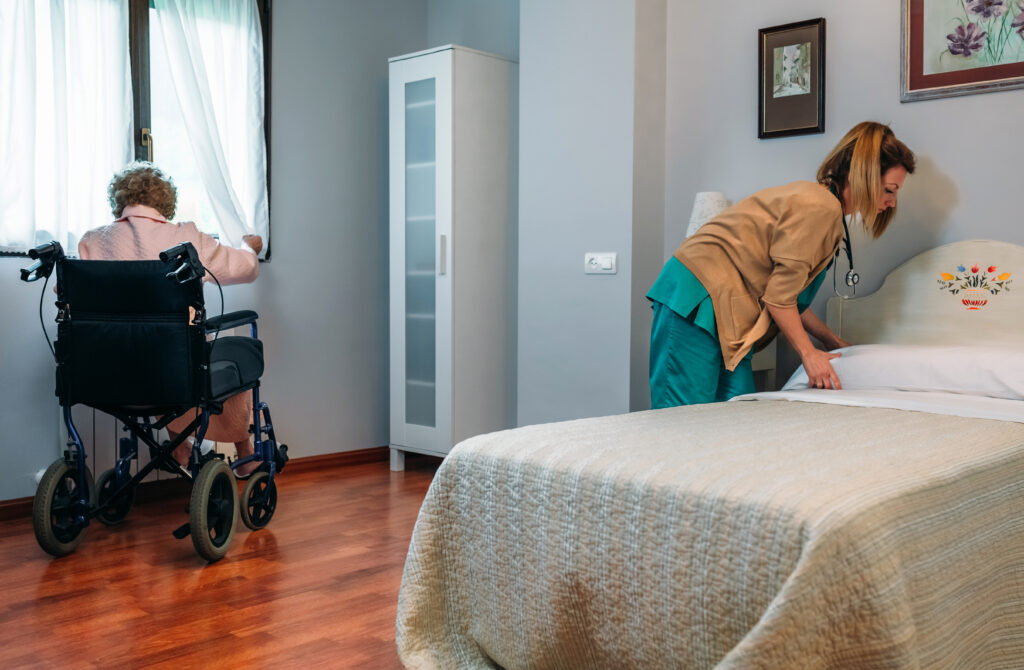
Security systems for assisted living facilities should be built around matching physical security products to what a given space actually needs.
Fixed stainless-steel screens can carry most of the load in resident-facing areas, protecting against forced entry, wandering, and accidental impacts without ever requiring staff to operate anything or forcing residents to live behind visibly hardened windows.
Storm shutters step in only when severe weather demands it, while solid security shutters stay limited to the operational, non-resident-facing spaces where a daily schedule and full opacity are actually appropriate.
Facilities weighing where to start should prioritize screens for windows in common areas, hallways, and ground-floor resident rooms, where they address the most common risks while maintaining natural light, visibility, and the appearance of windows.
From there, storm shutters and back-of-house security shutters can be added based on climate risks and operational layouts, rounding out an assisted living security system that protects residents and property without changing how the building feels to live in.
Contact the team of experts at QMi to discuss physical security solutions for assisted living facilities.
Security Systems for Assisted Living Facilities: FAQs
Do assisted living facilities need security shutters?
Rarely for resident-facing areas. Rolling shutters work on an open/close schedule that doesn’t fit areas of a facility that are occupied around the clock. They’re better suited to back-of-house spaces, like pharmacy counters or storage/supply rooms.
What’s the best way to secure resident room windows in assisted living facilities?
Fixed stainless-steel security screens. They stay in place permanently, resist forced entry and impacts, and don’t require staff to operate anything. They also look and function much like standard window screens, maintaining views and letting natural light in.
Can security screens help prevent wandering in assisted living homes?
Yes. Installed on ground-floor resident room windows and other windows along wandering-prone paths, they make unsupervised egress significantly harder without drastically altering how the windows look or function.
Are storm shutters necessary for assisted living facilities?
Only in hurricane zones or other storm-prone regions. They offer event-based protection, deployed ahead of severe weather to protect windows and doors against storm damage and reduce the risk of broken-glass-related injury to residents.
