
07.28.2026


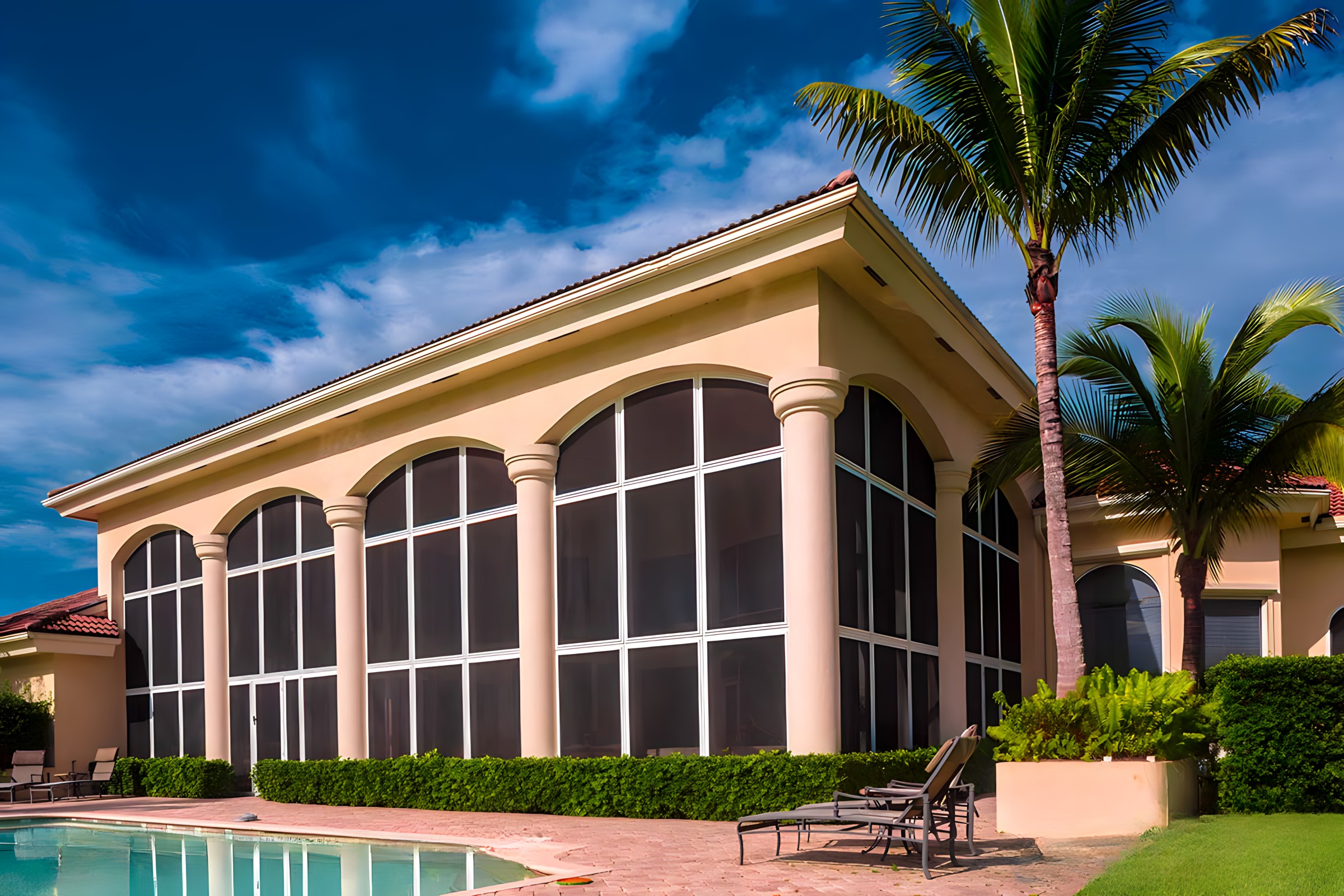
If you've ever wanted a covered outdoor space that feels like a true extension of your home, somewhere to relax, entertain, or enjoy the outdoors with a true indoor-outdoor vibe, a lanai delivers exactly that.
Roofed, open-sided, and often screened, lanais are a staple of residential architecture across warm-weather regions, including Florida and the Gulf Coast. The concept originates in Hawaii, where the word simply means "porch" or "balcony," and it has since become synonymous with outdoor living across warm, sun-heavy climates throughout the US.
The problem is that a lanai's greatest strength, its openness to the outdoors, is also its biggest vulnerability when a hurricane rolls through. Without adequate protection on the open sides, a lanai is extremely vulnerable during a storm. That's where hurricane screens for lanai patio enclosures come in.
Installing hurricane screens around the perimeter of your lanai is one of the most practical ways to protect that investment while keeping the space functional year-round.
What Makes a Lanai Vulnerable During a Storm
Unlike a fully enclosed room, a lanai's sides are typically open or lightly screened. Standard insect screens offer zero hurricane protection. They're designed to keep bugs and small airborne particles out, not to resist hurricane-force winds or large flying debris.
During a hurricane or severe tropical storm, open lanai bays expose the interior of the structure to strong winds, heavy rains, and flying storm debris, which can damage the roof framing, tear apart screen enclosures, and create a pathway for debris to reach the windows, doors, and sliding glass panels on the main house.
Enclosing the sides of a lanai with hurricane-rated screens dramatically reduces the risk of storm damage by acting as a barrier that absorbs and dissipates impacts and keeps windborne debris out.
A few of the most common storm-related risks for unprotected lanais include:
- Wind-driven debris penetrates open bays, causing damage, and reaches the main house
- Damage to outdoor furniture, fixtures, and lighting left inside the enclosure
- Secondary projectile hazards to neighboring properties
How Hurricane Screens for Lanais Work
Hurricane screens are not standard window screens made of flimsy mesh. Purpose-built hurricane screens are constructed from high-tensile stainless-steel mesh secured within a rigid aluminum frame. That combination is what gives them their strength and durability.
The stainless-steel mesh is engineered to withstand significant impacts, strong winds, and heavy rains. Quality hurricane screens are tested against debris impact scenarios that simulate the conditions of a major storm, and screens that pass those tests are suitable for installation in the most demanding storm-exposure environments.
Key construction features to look for in a quality lanai hurricane screen include:
- Stainless-steel woven mesh
- Rigid, low-profile aluminum framing
- Face-mount installation for a flush, stable fit
- Independent testing and certification for hurricane conditions
- Custom sizing to fit the exact dimensions of each opening
Benefits of Hurricane Screens for Lanais
Most hurricane protection products, including storm shutters and impact windows, are designed for windows and glass doors. If your lanai is enclosed in glass, those products can work great, but many lanais feature screened openings instead.
The bays between columns or posts are typically many feet wide and eight or more feet tall. Lanai hurricane screens are custom-built for these large, open bays. Their flexibility and customizability make them one of the few hurricane protection options that translates naturally from windows to the expansive open sides of a covered outdoor structure.
There's also an everyday livability advantage. Unlike solid hurricane shutters, which block views and natural light entirely when deployed, stainless-steel mesh screens are semi-transparent. Occupants can see through the screen, airflow is maintained, and the lanai retains its character as an indoor-outdoor space rather than becoming a sealed enclosure. When a storm is not approaching, the screens are simply part of the lanai's structure, unobtrusive and always ready.
What to Look for When Evaluating Hurricane Screens for a Lanai
Not every product marketed as a hurricane screen is built to the same standard. Before installing anything on your lanai, there are a few specifications worth verifying.
Start with the mesh material. Stainless steel is the benchmark for quality hurricane screens. Lower-grade metals corrode faster in coastal environments, where salt air accelerates oxidation. A screen that degrades between seasons is not reliable protection.
Additional factors to evaluate before purchasing are:
- Frame mounting approach: face-mounted frames provide a more stable connection for large bay openings
- Frame color options: look for a range of standard finishes with custom colors available to match your exterior
- Installer capability: confirm they can handle custom sizing, since lanai bays rarely match standard product dimensions
- Warranty coverage: look for warranties that cover both the mesh and the frame finish
- Testing and certification: screens should carry documented test results for hurricane and impact conditions
Do Hurricane Screens Replace Other Lanai Storm Preparations?
Hurricane screens address the open sides of a lanai, but they're only one component of storm readiness, not a complete substitute for other preparations. A few things that still apply even after screens are installed include:
- The lanai roof structure itself should be rated for wind loads consistent with your area's requirements
- Outdoor furniture and accessories should still be anchored or stored before a named storm
- The screens should be inspected periodically for corrosion, frame damage, or loose fasteners
For lanai owners in hurricane-prone states, properly rated screens on the open bays represent a lasting upgrade in terms of both storm performance and year-round usability. They address the lanai's structural exposure during storms, protect the main house's windows and doors from debris, and do so without permanently altering the open character or functionality of the space.
Keep in mind that it’s also important to ensure all vulnerable windows and doors on the main house are secured using appropriate products, such as impact-resistant security glazing or roll-down hurricane shutters.
A storm-resistant lanai starts with the right screens on the open bays, but true storm readiness means treating the entire home as a multi-layered system. The more layers of protection you have in place before a storm arrives, the better your chances of coming out the other side with minimal damage.
Looking to secure your property against storm damage? Contact QMi to discuss our storm protection options.
