
12.30.2025


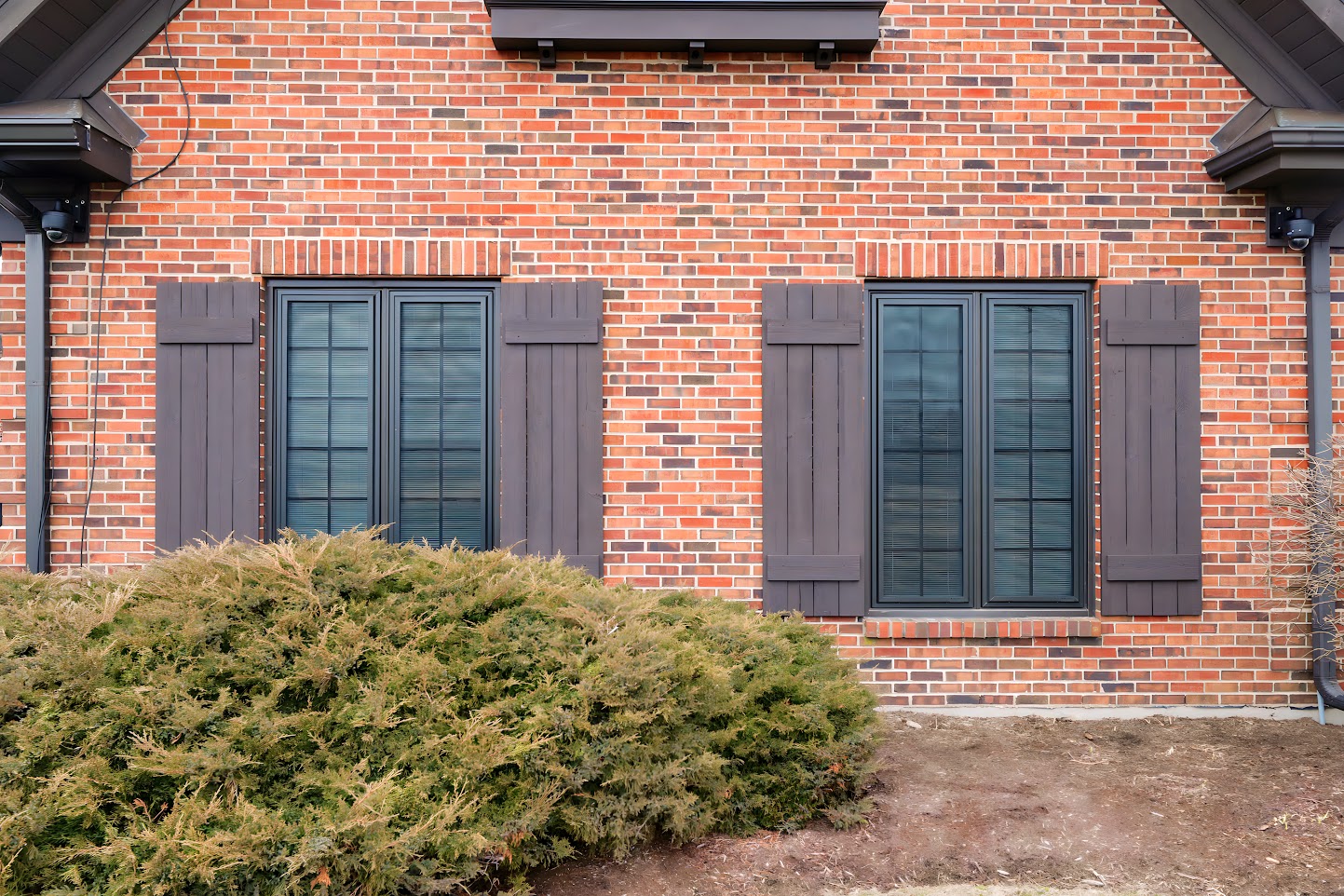
Windows are one of the most important, and often overlooked, parts of any home’s security plan. They bring in light, circulate fresh air, and increase curb appeal, but they can also represent weak points that intruders target. When windows aren’t properly secured, they can become direct entry paths for burglars looking for fast access.
Improving residential window security doesn’t just protect your property — it protects the people inside your home. Whether you live in a busy city, a quiet suburban neighborhood, or a rural community, securing your windows is one of the smartest steps you can take toward strong overall home protection.
Why Residential Window Security Matters
Most homeowners think of doors as the main entry point for burglars, but windows are a surprisingly common target. According to estimates, nearly one in four break-ins occurs through windows. Burglars typically choose the path of least resistance, and windows that are old, poorly maintained, hidden from view, or left unsecured make their job easy.
There are a few reasons why windows are particularly vulnerable:
- They’re often out of view, especially side-yard or backyard windows.
- Many homeowners don’t routinely lock them, making walk-in access possible.
- Glass can be broken quickly, and some burglars count on minimal noise detection.
- Older windows have weak locking mechanisms that can be forced without special tools.
To put it simply, if your windows are vulnerable, your home is vulnerable. Strengthening this area can drastically reduce the likelihood of forced entry and burglary.
How To Improve Residential Window Security
Below are some expert-backed, actionable steps you can take to reinforce your residential window security. For the best results, consider combining several strategies for layered protection, the most effective ways to mitigate forced entry and related home security threats.
1. Install Residential Security Shutters
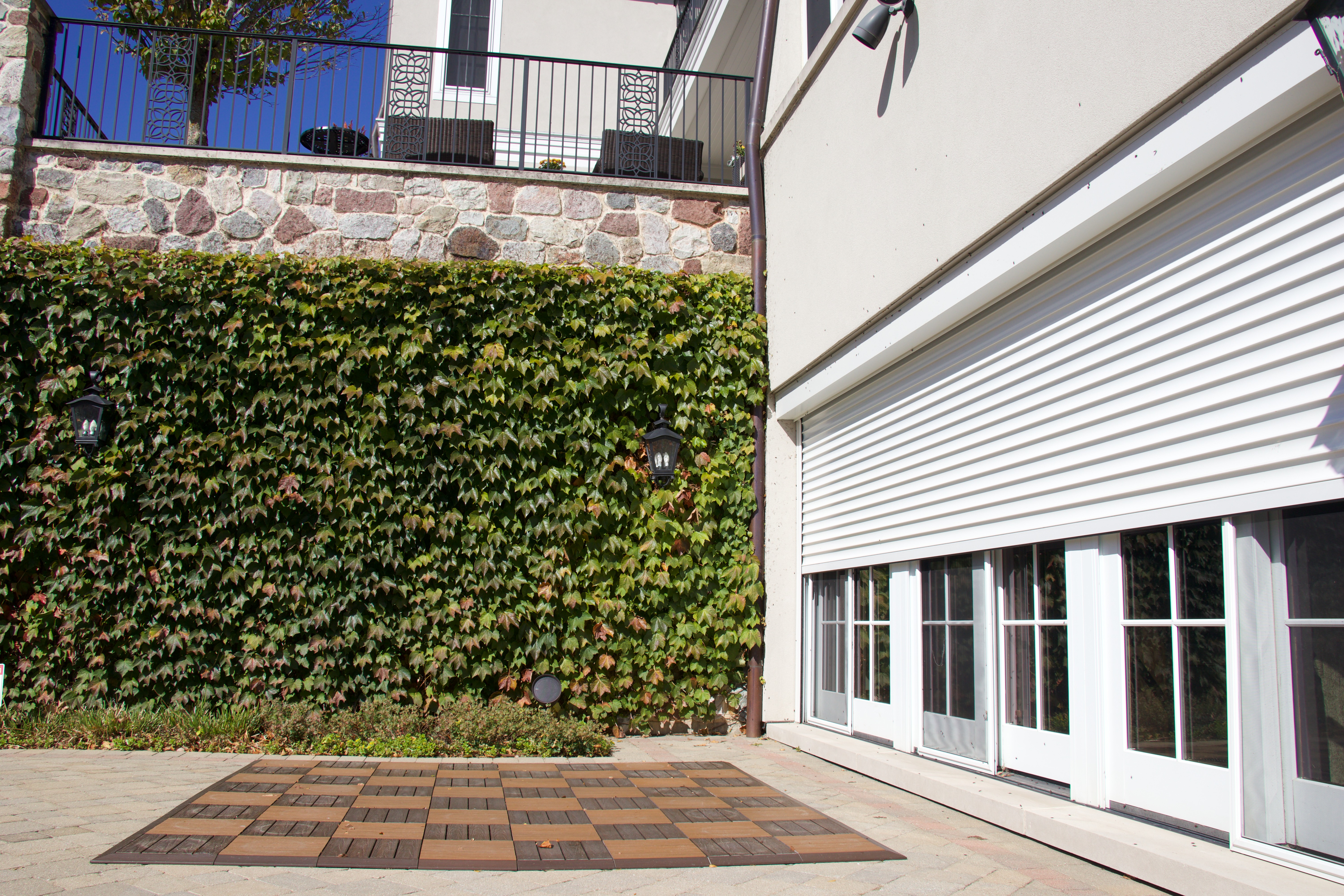
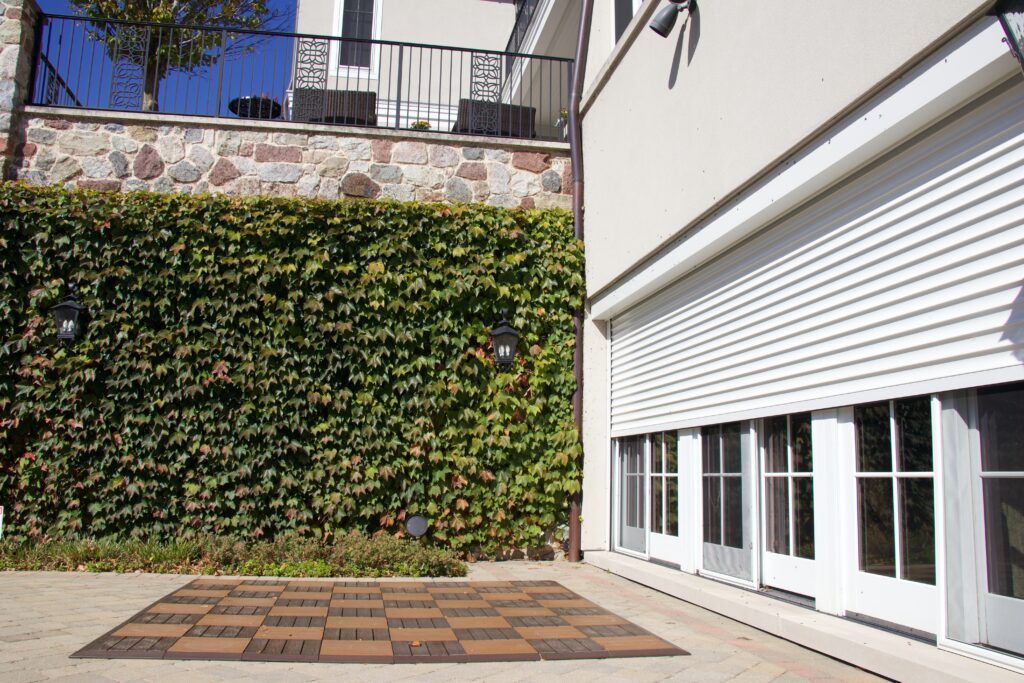
Residential security shutters are one of the strongest physical barriers you can put between your home and potential intruders. When closed, they shield the window with a durable aluminum or steel curtain that makes forced entry extremely difficult.
Key benefits include:
- Physical intrusion resistance: Shutters add a robust protective layer that burglars cannot simply pry open or break through.
- Privacy and visibility control: When fully closed, they block visibility into the home.
- Noise, weather, and energy benefits: They help insulate the home from heat, cold, storms, and unwanted noise.
Security shutters are especially useful for:
- Ground-floor windows
- Large glass sliding doors
- Secluded windows hidden from street view
- Vacation homes or properties left unoccupied for periods of time
While shutters are an investment, they offer one of the highest levels of security possible for residential windows and can do a lot to deter and prevent break-ins.
2. Reinforce Windows With Security Screens
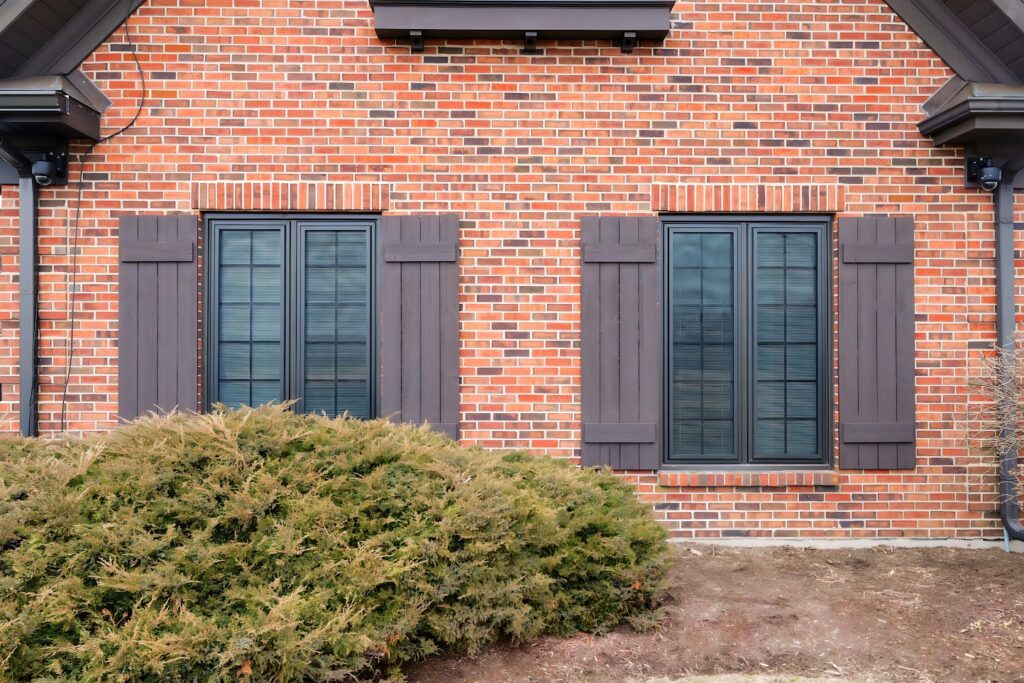
If you want to open windows for airflow without sacrificing security, residential security screens are a highly effective option. Unlike ordinary insect screens, security screens are built from stainless-steel mesh framed in aluminum or steel, making them extremely difficult to cut, pry, or push through.
Advantages include:
- Protection + ventilation: You can safely open windows for fresh air without compromising security.
- Child and pet safety: Screens provide an added layer of fall protection.
- Low-profile appearance: They look similar to standard screens but perform far better.
Security screens come in two main types:
- Fixed security screens: Ideal for windows that don’t need to open for emergency exit.
- Egress-capable security screens: Designed to open easily from the inside for fire safety while still resisting forced entry from outside.
Residential window security screens offer an ideal balance of security, usability, and aesthetics.
3. Upgrade Window Locks and Hardware
Many homeowners rely on the factory-installed latch that came with the window, and in most cases, it’s not built for serious security.
Consider upgrading to:
- Keyed window locks
- Pin locks for sliding windows
- Reinforced latches
- Track blockers for sliding windows and doors
These simple, affordable upgrades can transform a vulnerable window into a significantly more secure opening.
Don’t forget to check your window locks regularly. Loose, rusted, or damaged locks invite trouble.
4. Install Window Sensors and Alarms
Alarm systems are a major deterrent. Even basic window sensors, wired or wireless, can trigger a loud alarm or a mobile notification if the window is opened or broken.
Common types include:
- Magnetic contact sensors (triggered when a window opens)
- Glass break detectors (sound-based sensors that detect glass shattering)
- Motion sensors positioned near windows internally
Most modern residential security systems allow homeowners to manage everything through smartphone apps, providing immediate awareness of suspicious activity and enabling remote control or monitoring.
5. Improve Exterior Lighting Around Windows
Burglars prefer darkness. A well-lit exterior is one of the simplest ways to make your home a less appealing target.
Consider adding:
- Motion-activated floodlights near the side and rear windows
- Pathway or landscape lighting around window-heavy areas
- Smart lighting systems that mimic occupancy while you’re away
Lighting doesn’t physically block entry, but it significantly increases visibility — something intruders try to avoid.
6. Maintain Clear Visibility Around Windows
Overgrown shrubs, tall plants, or decorative structures can unintentionally provide cover for someone who wants to break into a window unnoticed.
Simple landscaping adjustments go a long way:
- Trim bushes below sill height
- Avoid placing tall plants directly in front of windows
- Use thorny plants (like holly or roses) as natural deterrents
- Keep window wells clear and visible
Think of it as reducing hiding places that might give cover to an intruder.
7. Keep Windows in Good Condition
Rotting frames, loose sashes, or damaged tracks make windows easier to force open. Regular maintenance helps eliminate these vulnerabilities.
Important upkeep steps include:
- Replacing cracked or damaged panes
- Fixing warped frames
- Lubricating window tracks
- Checking that locks and latches align properly
- Ensuring sliding windows cannot be lifted out of their tracks
Strong security begins with a strong, functional window.
8. Use Window Coverings Strategically
While blinds or curtains don’t physically stop intruders, they reduce visibility into your home, making it a less appealing target.
Tips:
- Close blinds when you’re away, especially on ground-floor windows (or deploy security shutters)
- Avoid placing valuables in direct line of sight
- Consider privacy films that block visibility from outside during the daytime
Anything that prevents a burglar from “window shopping” reduces your risk.
Conclusion
Windows bring natural light and beauty into your home, but without proper security, they can also introduce risk. Since nearly a quarter of break-ins occur through windows, protecting these openings is essential for safeguarding your property and loved ones.
The most effective approach to upgrading your residential window security combines multiple layers of protection: physical barriers like shutters or security screens, strengthened glazing, upgraded locks, smart alarms, lighting, and good maintenance all play important roles.
Taking these steps significantly reduces the likelihood of forced entry and makes your home a far less appealing target for burglars.
To explore high-quality solutions for residential window security, contact QMi Security Innovations today.
